Deciding to home educate isn’t something I can sum up in a single sentence—there are so many factors at play. If you’re like me and tend to overthink things, you’ll understand the worry that comes with sharing such a personal decision. Will my reasons make someone else uncomfortable? Will they understand where I’m coming from? But the truth is, this is our choice, and it’s one we’re excited about.
My son, J, would be starting school this September. He’s never been to nursery, and neither has his sister, Grace. And honestly? I’m SO RELIEVED that I don’t have to count down the days to that first school run. Sure, I’m a little sad we won’t have that iconic first day of school photo in the uniform, but the trade-off feels right for us.
So, why have we chosen to not send our kids to school? Here are some of the main reasons:
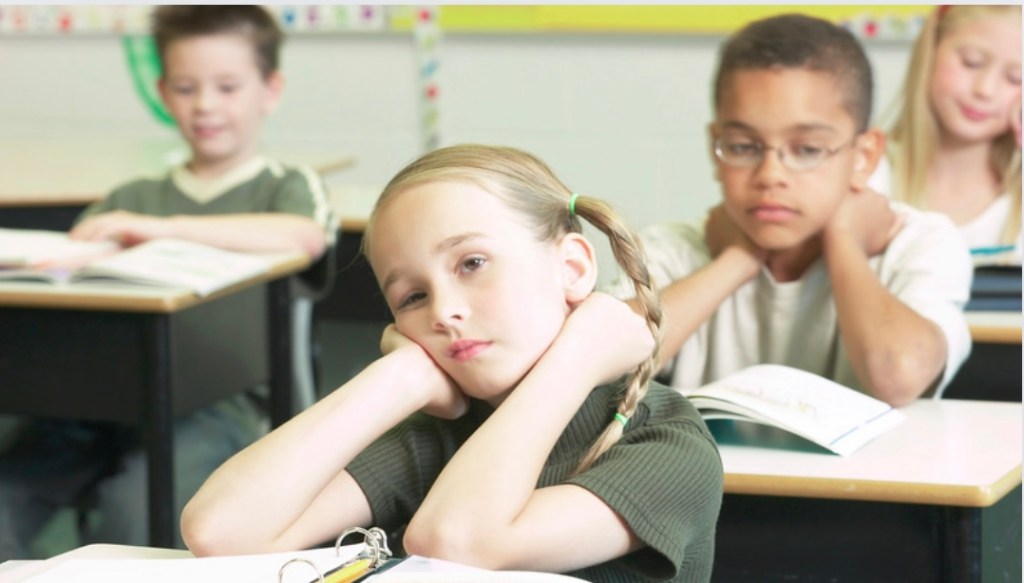
1️⃣ ONE SIZE FITS ALL – School is not designed to meet the individual needs and educational goals for each unique child. Even if the majority’ are hitting certain goals, they will still lack support in certain areas and many fall behind.
2️⃣ RIGID GOAL POSTS – the national curriculum doesn’t allow for teachers and schools to move goalposts to suit the current development of the individual child. This can be for a child who may be advanced in a certain area too. There may be the exception where a school is able to accommodate but it isn’t guaranteed.
3️⃣ INTERESTS IN LEARNING – children are natural learners, it’s a fact. So to make them follow a strict schedule of learning makes no sense to me. We know how often children change their interests and how easy it is for them to lose interest. So why not go with that? You want to learn about space and time continuum today? Wicked! I’ll learn with you! You want to learn about the 18 different species of penguins this week? Amazing! Maybe next week we can learn about different habitats for other polar species. *this is based on true events in our home*
4️⃣ WE DO NOT NEED TO *TEACH* – okay hear me out. I struggle to articulate myself with this one… children don’t necessarily need to be taught much of anything. In fact, I truly believe those that are in nursery and school fr young ages are MISSING OUT on actual learning of important things and skills. Our children need to explore nature and understand the world around them. That could be playing in the garden without rules, it could be going shopping and interacting with humans, going to social meet ups where they aren’t forced to comply by adult standards and share and learn to be a people pleaser. (You can be a good person but that doesn’t mean you always have to be nice. That’s not a helpful life skill). For older children, it may be learning new concepts of writing or math or a new technology or computer skill. It’s well known that children lack basic knowledge of “real life lessons” like cooking, cleaning and how to do your taxes (insert sweaty face emoji).
5️⃣ CHILDHOOD IS SHORT – I know this is one that gets a lot of backs up. But it’s true! We cannot deny how fast time flies. One minute they are tiny babies feeding around the clock, completely reliant on you, sharing your bed and stuck to you like glue. The next, they are running off into the world without a second glance, wanting to do everything themselves and no longer want to hug and kiss you at every given chance. I want to enjoy as much time with my little humans as possible. I want THEM to enjoy time with us – time with each other. Siblings often don’t see much of each other!! And I DO NOT WANT TO BE TOLD WHEN I CAN TAKE A BLOODY HOLIDAY fgs.
There’s more to it
Now I could go on and on about the reasons why we’ve decided to home educate. And then there’s the actual benefits which is a different topic entirely. But these 5 factors usually resonate with people.
I’m in no way judging anyone for their choices. School is a good choice for many. For many it’s the only choice. I’m not so privileged to not know this. But I am in a position where I work from home, where my husband and I have our own businesses and have freedom of time management and can facilitate home educating.
So here’s my first step in sharing our journey, which in reality hasn’t truly begun. I hope you enjoy the parts we choose to share along the way.
Here are some statistics about home education in the UK:
Academic performance
According to chsonline.org.uk, homeschooled students in the UK perform 15–30% better than public school students on standardised tests. They also tend to score above average on the SAT and ACT, which are considered by colleges for admissions. Home educated students may also advance at their own pace, with up to 24.5% enrolling in grades above their age level. The highest academic achievement is seen in students who have been homeschooled their entire lives.
Home education increase
According to markinstyle.com, home education in the UK has increased by 40% in the last three years. In 2022-2023, UK councils received at least 49,819 notifications from families wanting to home educate a child, which is the highest level since 2020-2021. In 2022-2023, local authorities estimated that 126,000 children were home schooled at some point, up from 116,000 in 2021-2022.
 Diary of a Home Ed Kid